





Frequently Asked Questions
01 Do I have to carry all my luggage during the climb?
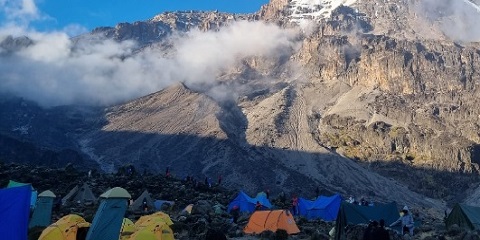
No, on an organized climb, mountain crew normally transport the main luggage between camps, subject to the applicable porter-load rules and your operator's arrangements. You normally carry a smaller daypack containing items you need while walking, such as water, snacks, rain protection, warm layers ...Read more
02 Is it possible to book a 7-day private, mid-range wildlife safari to Tarangire, Serengeti, and Ngorongoro departing from Kilimanjaro Airport?
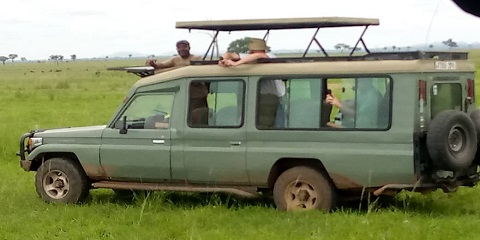
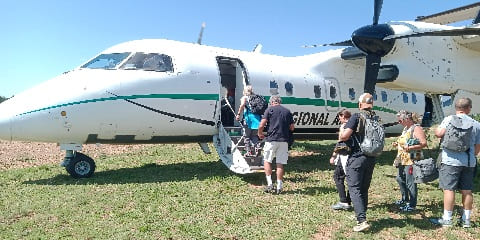
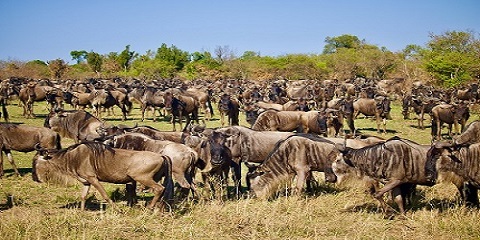
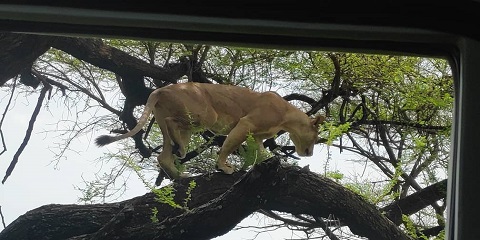
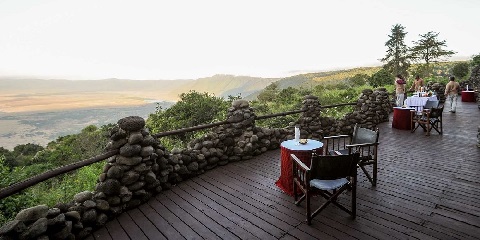
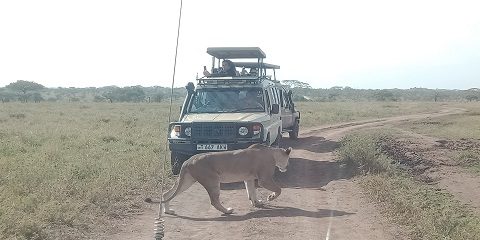
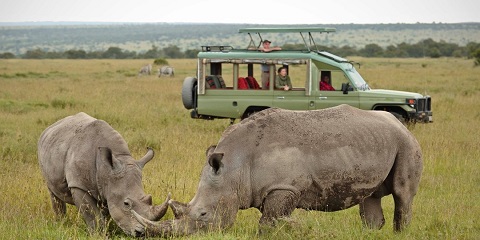
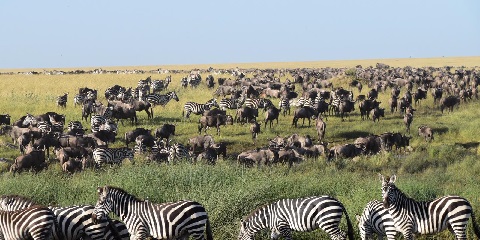
Yes, it is possible to book a 7-day private, mid-range wildlife safari to Tarangire National Park, Serengeti National Park, and the Ngorongoro Conservation Area, departing from Kilimanjaro International Airport (JRO) in Tanzania. The safari begins with a private pickup at the airport, followed by a ...Read more
03 Can I start a 4-day budget group safari directly from Kilimanjaro International Airport to Arusha National Park and Tarangire?
Yes, you can start a 4-day budget group camping safari directly from Kilimanjaro International Airport. Arrange the trip in advance with Tanzania Natural Tours, a tour operator that offers airport pickups and group departures. A typical itinerary includes Day 1: Airport pickup and transfer to Arusha...Read more
04 Are there toilets and showers on Kilimanjaro?
Basic toilet facilities are available at mountain camps, but facilities are much simpler than what you would find in a hotel. Normal showers are generally not available on the mountain. Some operators can arrange additional private toilet facilities, while washing is usually done with limited water ...Read more
05 What food do you eat during a Kilimanjaro climb?
Organized climbs normally provide meals designed to give you enough energy for several hours of trekking each day. Meals can include carbohydrates, vegetables, meat or other protein sources, fruit, soups and drinks. If you have allergies, dietary restrictions or specific food requirements, you shoul...Read more
06 Is drinking water available during the Kilimanjaro climb?
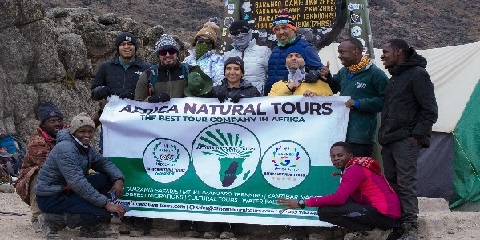
Yes, drinking water is normally provided as part of an organized climb, with Tanzania Natural Tours your trusted Kilimanjaro operator will bring safe and clean water from the depart and on the way the crew from Tanzania Natural Tours will be responsible to ensure to get boiled water in the right tim...Read more
07 Is there mobile phone network on Kilimanjaro?
Mobile coverage varies considerably depending on where you are on the mountain. You may have reception in some areas, while other sections can have weak or no reliable signal. Climbers should not depend on mobile coverage for emergencies and should ask their operator about the communication equipmen...Read more
08 Can I charge my phone on Kilimanjaro?
Do not assume that you will have regular access to electricity at mountain camps. Bringing a fully charged power bank is a practical solution. Keep electronic devices protected from extreme cold because low temperatures can reduce battery performance. If you are planning to take photos using your ph...Read more
09 Is Kilimanjaro safe to climb?
Kilimanjaro can be climbed safely when the expedition is properly planned and professionally managed, but it is still a high-altitude mountain and should not be treated like an ordinary hiking trail. Altitude-related illness is one of the main concerns. A responsible climbing team should monitor cli...Read more
10 What happens if I become sick during the Kilimanjaro climb?
Your guide should assess your condition and determine whether you can safely continue. Mild symptoms may require rest and closer monitoring, while serious or worsening symptoms can require descent to a lower altitude. Reaching Uhuru Peak should never be considered more important than your health and...Read more
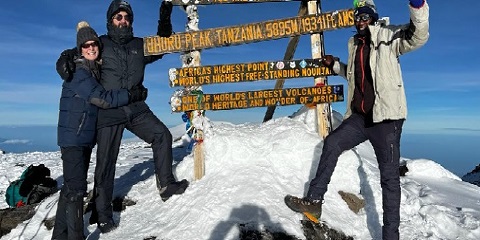
11 What happens if I cannot reach Uhuru Peak?
Not reaching the summit does not mean the entire climb was a failure. Altitude, illness, weather or exhaustion can force a climber to turn around. A responsible guide should never pressure someone to continue when doing so could create a serious health risk. The mountain will still be there, and ret...Read more
12 Why do Kilimanjaro guides tell climbers to walk slowly?
The slow pace is mainly about altitude management, not because the mountain is technically difficult. Walking slowly reduces unnecessary exertion and gives your body more opportunity to adapt as you gain elevation. You may feel capable of walking quickly at lower altitudes, but maintaining a control...Read more
13 What Does “Pole Pole” Mean During Kilimanjaro Climbing and Why Does It Matter?
“Pole pole” is a Swahili expression meaning “slowly, slowly.” During Kilimanjaro climbing, guides use this phrase to encourage climbers to walk at a slow, steady, and comfortable pace. This approach is especially important as the altitude increases because it helps your body adjust gradually to the ...Read more